
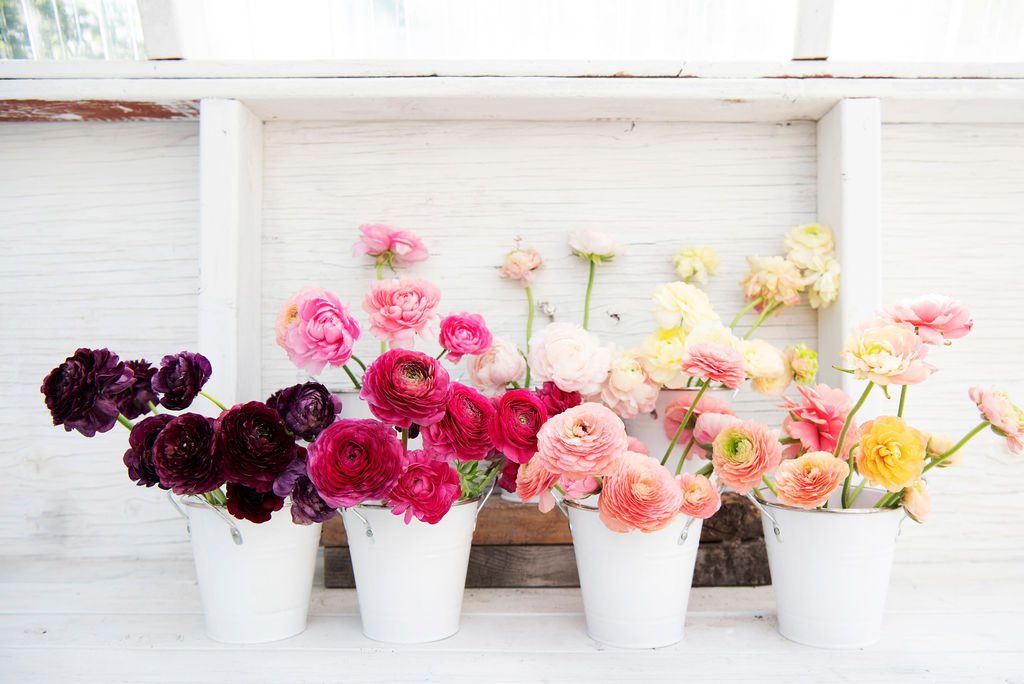
If you’re growing cut flowers in your garden and hoping for earlier spring blooms, you’ll quickly realize there aren’t many options for those of us in short growing seasons and cool climates. Enter ranunculus. It looks like a garden rose and brings a welcome hit of colour to spring bouquets, and it’s something less expected than the standard daffodils, tulips, and lilacs.
Plus, ranunculus can withstand temperatures down to -5°C/23°F. A huge win!
The downside? Growing ranunculus requires a few extra steps and a bit of fussing that beginner gardeners might not be prepared for. These finicky flowers took me a few years to get the hang of, but now that I’ve made a bunch of mistakes, you don’t have to.
Four Easy Steps to Grow Ranunculus so They Don’t Die
1. Soak the Corms
The first year, I failed at growing ranunculus, and it was largely because I didn’t realize you had to soak the corms first. My dried-out little corms never stood a chance.
Soak for at least 4 hours and up to 24 hours before planting. Less soaking time is ideal. If you soak them any longer than 24 hours, your corms could turn to mush.
The second year I tried ranunculus, I soaked them, but kept forgetting about them, drying them out, and rehydrating them. It was a mess, and I don’t know what I was thinking, but I know that I was 7 months pregnant, super tired, and the world was going crazy because it was March of 2020. So I cut myself some slack, and thankfully some of those corms were tough and handled my abuse.
Related: How to Soak and Pre-Sprout Anemones (and Ranunculus!)
2. Pre-Sprout in a Cool, Dark Place
While pre-sprouting is optional, I’ve had better results when I do it. Once you’ve soaked your corms and put them in trays, find a cool, dark room for them to sit in for around two weeks. Check on them every 3 days to see if they need more water or not. This is tricky. Too much water and they’ll rot or get mould. Too little water and they’ll start to dry up and won’t sprout. Aim for slightly moist. (Sorry to use that word!)
Here’s a short video so you can see the soaking and pre-sprouting process:
3. Start Indoors
Ranunculus need around 90 days to mature, so technically I could plant them directly outdoors in May when I plant the rest of my garden. However, this is a bad idea because they would then be blooming in the warmest part of the year — not ideal for a cool-loving flower.
I start mine in early March for blooms in June. This is about the earliest I can start them without a greenhouse, considering the temperatures they need.
I recently tried to push the timing of a ranunculus succession to see if I could get them to bloom around the beginning of May. Unfortunately, it didn’t work with my Zone 3 garden. I found that the corms I started at the beginning of February were really stressed and didn’t do well, or, if they bloomed, they just bloomed at the regular time.
The corms I started on February 15th actually did not do too badly and began blooming a week or two earlier than usual. Overall, I think starting at the beginning of March is the best time because the struggle of starting a bit earlier isn’t worth the number of usable blooms I got.
One more thing to consider: because I started everything so early, the bugs that preyed on my ranunculus were really thankful, since I had given them food much earlier than expected. The bug pressure was much higher than I anticipated.
4. Harden off with a Hoop House for Best Results
I have a small hoop house my husband made me that lets me put my ranunculus outdoors with some confidence. I have a few garden bricks to pop up the house on hot days, so they can slowly get acclimatized to the wind.
In fact, I now harden off almost all of my flowers this way because it works so well.
Now that we’re out at the acreage, I tried growing all my ranunculus in the greenhouse, and I found that it fried out my corms. This is because we’re still working on our soil, and it’s so early in the season that we don’t have our irrigation set up. The combination of poor soil that tends to become anaerobic, not enough water, and this, that, and the other thing resulted in a complete disaster. That’s not to say that if you have a hoop house, or that you can reliably get water to it or to soil that holds water better, it won’t work. I know many people successfully grow ranunculus in greenhouses, but in my particular situation, it won’t work.
Whatever you do, you’ll need some sort of frost fabric or cover for your plants, since you’ll be setting them outside well before your last frost. (Ideally, mid-late April, depending on the weather.)
Frequently Asked Questions About Ranunculus
1. When is the best time to start ranunculus?
March 6th. Kidding… sort of. If you want blooms in June, you need to start in early March. You can technically start ranunculus anytime, as long as you give it 90 days to grow. However, it doesn’t really like the heat, so starting on the optimal planting day in May for everything else means your blooms may not do as well in the late-summer heat.
If you’re planning on a fall succession, you’ll need to start those corms in late June or early July, and have shade cloth on hand to get them through warm summer days. I still have not gotten it together enough to try out a fall succession, so I have no additional notes on this. I just know it can be done because I’ve seen other Zone 3 growers do it.
2. Can you grow ranunculus in containers?
Yes! And in a way, it’s actually better that you do. The first year I tried ranunculus, part of the reason I failed was that I planted them in a flower bed with a lot of competition from weeds and other nonsense perennials. The soil mix in containers means you’ll get better results.
In 2020, I devoted a raised bed to them, and I got great results. So whether you’re planting in-ground, in containers, or as part of a square foot garden, it can work.
3. How do you store ranunculus corms?
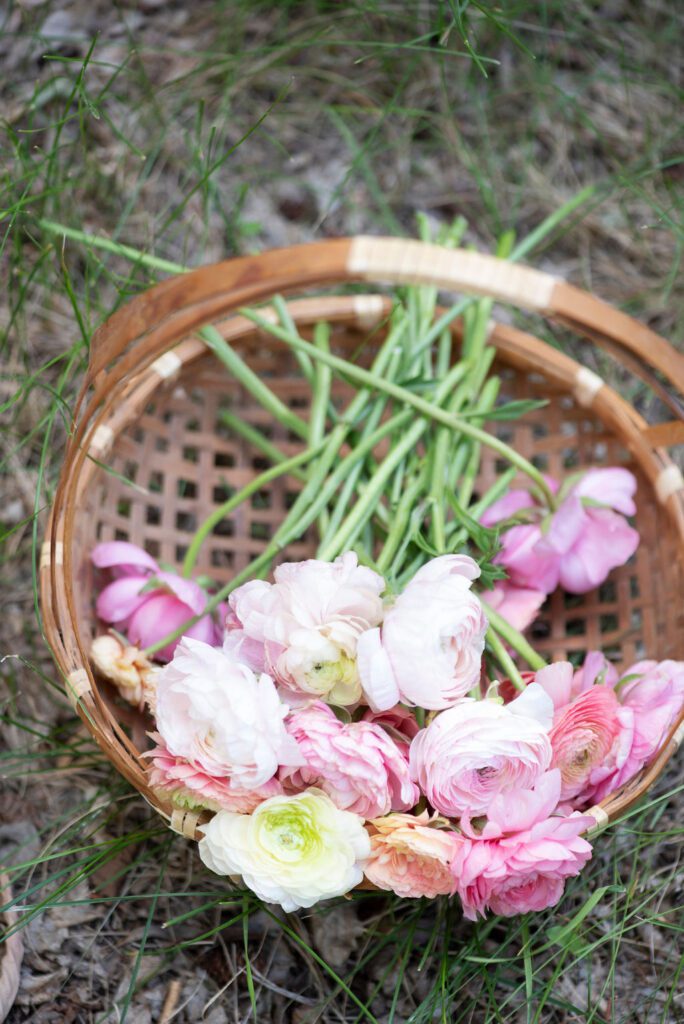
In short, the process is similar to how you save and store dahlia tubers. Once they’ve died back and yellowed, carefully pull the corm back and gently remove excess soil. Let them dry in the sun, then try to remove more excess soil. Once the corms are completely dried, you can put them in a box, bag, or anything that won’t have excess moisture and store them in a dry place.
It’s definitely worth pulling and saving your ranunculus corms. This year, when I did it, I found that many of my corms produced baby corms, and a surprising number even had 2-3 babies! With the price of ranunculus corms these days, this is an economic way to grow your stock. Just please don’t save things like Butterfly ranunculus corms that have patents on them, saying you cannot save them!
4. Where to purchase ranunculus corms?
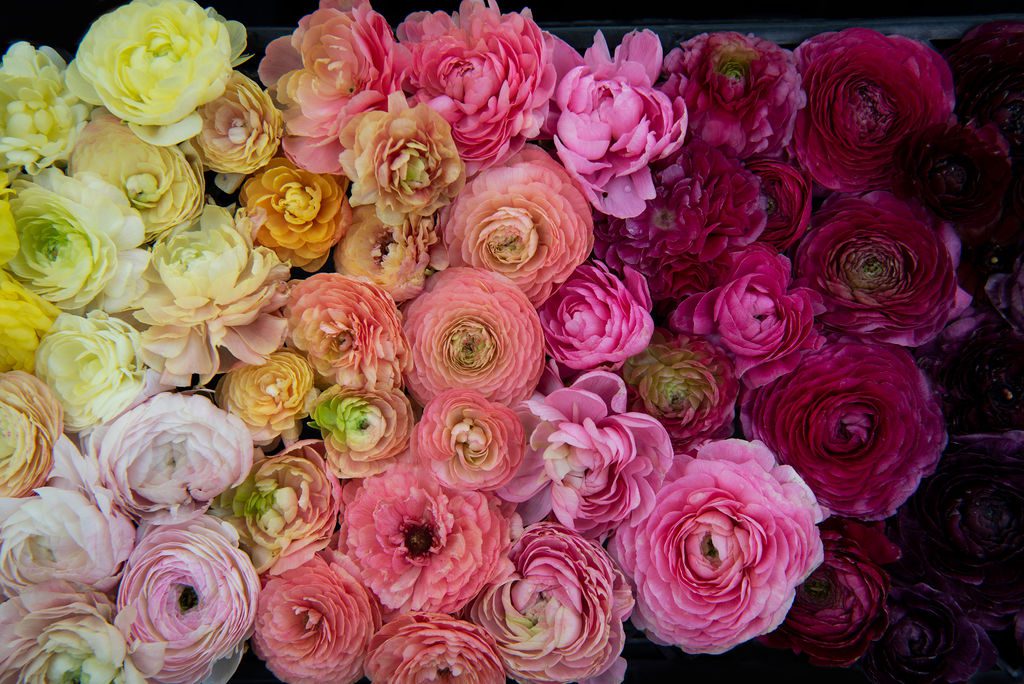
Ranunculus corms are generally sold in both the fall and spring. These are things that you might find in a big box store, but by the time you find them, it will be too late to plant them to get successful blooms. So it’s best to buy them from a supply or specialty shop online. In Canada, you can get specialty wholesale ranunculus from Unicorn Blooms. Dahlia May Flower Farm and Antonio Valente Flowers both sell the same varieties of corms as Unicorn Blooms in home gardener quantities.
I have also purchased corms from Whistling Prairie Flowers, Sarah’s Cut Flowers, Tundra’s Flower Farm, Veseys Seeds, and West Coast Seeds. There may be other places as well, but wherever you shop, just be on the lookout for corms sometime in September and then again sometime in March.
I hope you feel inspired to try growing some ranunculus this spring!
If you liked this blog post, follow me on Facebook, TikTok, and Instagram for more cold-climate gardening tips, delicious recipes, and cut flower goodness! I also make weekly videos over on my YouTube channel. I hope to see you there!
Want a cut flower garden without the hassle?
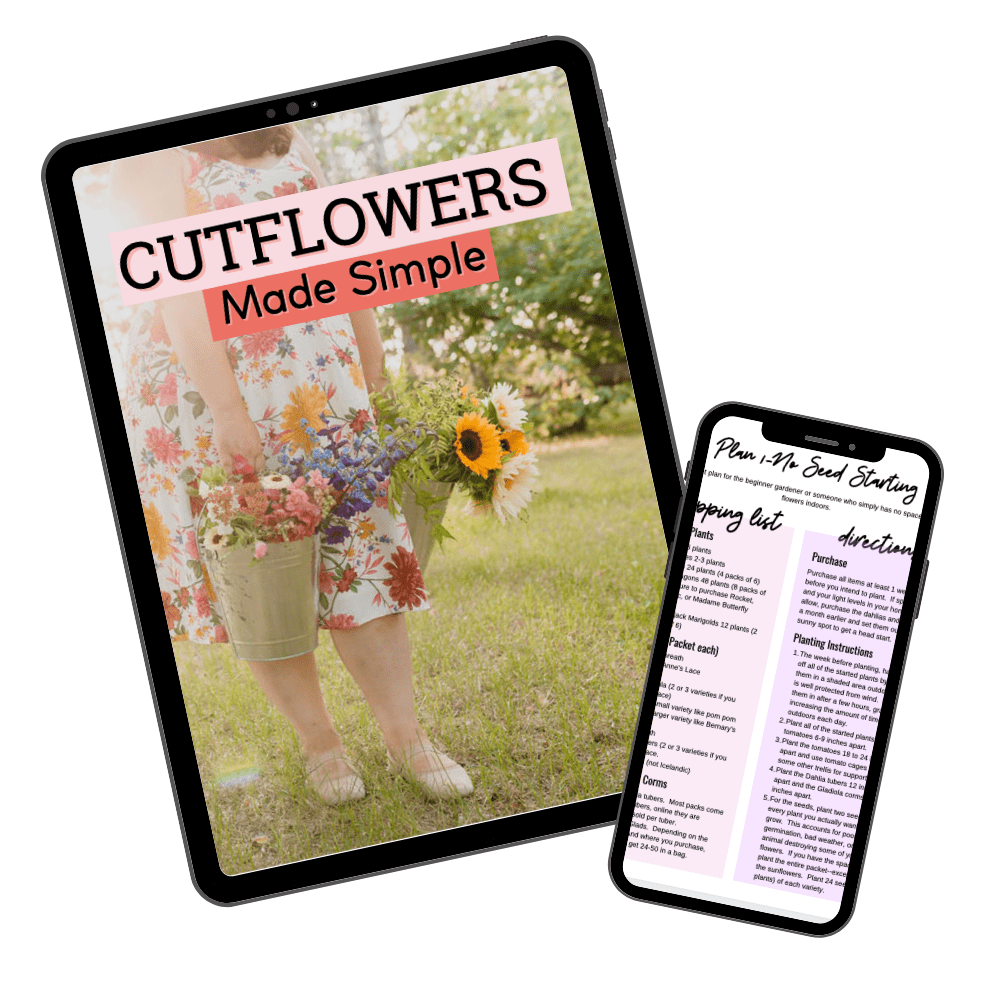
If you need more help with your cut flower garden and putting everything together, you’ll love Cut Flowers Made Simple. It’s the cheapest and easiest way to start a cut flower garden in your backyard or use it as a way to dip your toes into flower farming.
Glenda. Sichewski
Sally K.
Carole Baker
Robin
Johnny
Tram Gleason
Cheryl
Michelle P
Hollie
Trisha Rakabikabi
denita mason
Denita Mason
Melissa Fernandes
Christa
Jenny
Annie n
Jenny P
Judith McAleer
Lori-Anne
Theresa
Sharon L Williams
Kristen Raney
Petunia